

Tractor GPS systems boost your farming efficiency by providing real-time navigation, precise mapping, and advanced analytics. You can optimize resource allocation while minimizing waste, ultimately maximizing crop yields. Features include auto-steering for precision and soil mapping for tailored management. By integrating satellite imagery and AI, you’ll enhance decision-making and operational efficiency, paving the way for sustainable practices. Explore how these technological advancements can transform your agricultural operations for even greater success.
Key Takeaways
- Tractor GPS systems enhance precision farming by providing real-time navigation and crop monitoring for optimized operations and increased yields.
- They enable efficient resource allocation through data-driven insights, reducing input costs and waste in agricultural practices.
- Advanced features include soil mapping, yield monitoring, and variable rate applications, improving overall operational efficiency.
- Integration with satellite technology and AI supports autonomous tractors, facilitating real-time decision-making and operational capabilities in remote areas.
- Community innovation and collaboration drive advancements in GPS technologies, promoting sustainable agricultural practices and knowledge sharing among professionals.
The Importance of Tractor GPS Systems in Modern Farming
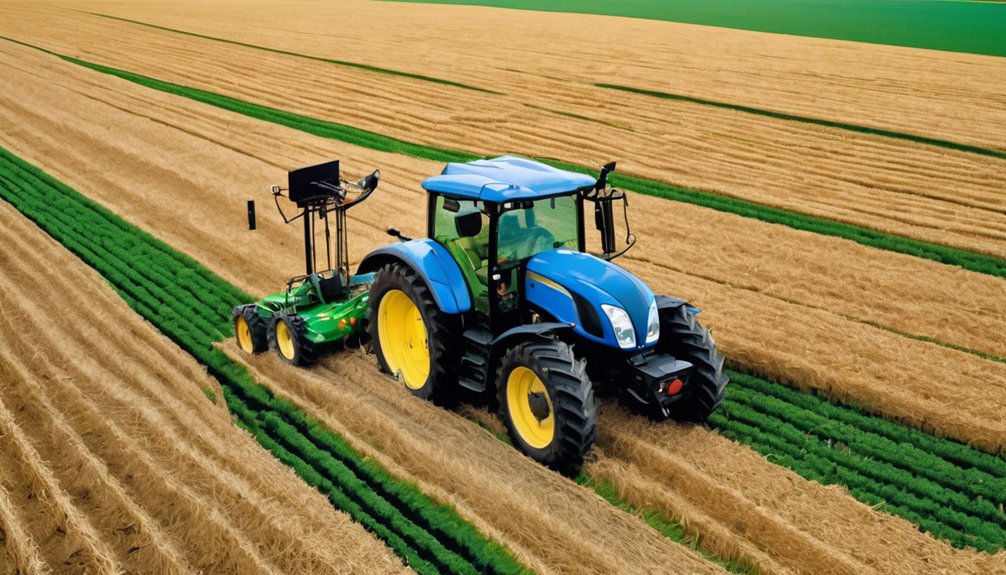
As modern farming demands increased efficiency and precision, the integration of Tractor GPS systems has become essential.
These systems enable you to enhance crop monitoring and field mapping, ensuring ideal resource allocation. With real-time data and accurate positioning, you can track growth patterns and identify problem areas, allowing for timely interventions.
GPS technology streamlines your operations, reducing input costs and maximizing yields. By utilizing field mapping, you can create detailed layouts of your land, improving planting strategies and reducing overlaps.
This precision farming approach fosters a sense of belonging within the agricultural community, as you share best practices and results. Embracing Tractor GPS systems not only elevates your farming practices but also connects you with a network of forward-thinking farmers.
Key Features of Tractor GPS Technology
When you implement tractor GPS technology, you’ll experience enhanced precision farming capabilities that optimize field operations.
This system offers real-time navigation assistance, ensuring you maintain accuracy and efficiency in every task.
Understanding these key features can greatly improve your agricultural productivity and reduce operational costs.
Precision Farming Capabilities
Precision farming capabilities powered by tractor GPS technology are revolutionizing modern agriculture. By harnessing advanced features, you can enhance productivity and sustainability on your farm.
Here are four key benefits:
- Soil Mapping: Accurately assess soil properties and variability, allowing for tailored crop management.
- Yield Monitoring: Track yield data in real-time, identifying trends and maximizing harvest strategies.
- Precision Planting: Guarantee ideal seed placement, improving crop density and reducing waste.
- Variable Rate Application: Apply fertilizers and pesticides based on specific field needs, minimizing input costs and environmental impact.
Real-Time Navigation Assistance
With precision farming capabilities enhancing productivity, real-time navigation assistance is another game-changer in tractor GPS technology.
You’ll appreciate how real-time tracking guarantees your tractor follows predetermined routes with remarkable navigation accuracy. This technology allows you to make immediate adjustments based on current conditions, optimizing your farming operations.
Enhanced mapping features provide you with detailed insights, helping you avoid obstacles and improve efficiency. By leveraging real-time data, you can maximize field coverage, reduce overlap, and minimize wasted resources.
Furthermore, this system fosters a sense of community among farmers, as you share insights and strategies based on your navigation experiences.
Ultimately, embracing real-time navigation assistance not only boosts your productivity but also connects you with a network of like-minded individuals.
Benefits of Implementing GPS in Agricultural Operations
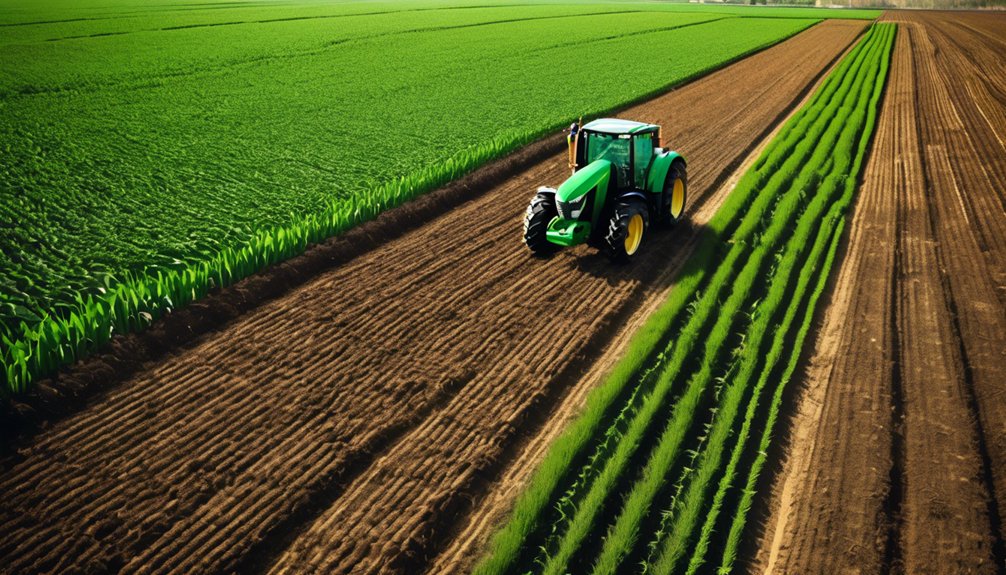
Implementing GPS in your agricultural operations can greatly enhance precision farming, allowing for more accurate planting and resource management.
You’ll notice increased operational efficiency as tasks become more streamlined and data-driven.
Furthermore, these improvements can lead to strategic cost reductions, optimizing your overall investment in farming technology.
Enhanced Precision Farming
GPS technology in agriculture revolutionizes how you manage your farming operations, profoundly enhancing productivity and efficiency.
By implementing GPS, you can notably improve your precision farming practices. Here are some key benefits:
- Accurate Crop Monitoring: Track plant health and growth stages with pinpoint accuracy.
- Yield Mapping: Analyze data to identify high and low-performing areas in your fields.
- Resource Optimization: Apply inputs like fertilizers and pesticides only where needed, reducing waste.
- Data-Driven Decisions: Use real-time information to make informed choices that boost overall yield.
With these advancements, you’ll cultivate a deeper connection to your land, fostering a sense of community among fellow farmers who endeavor for excellence in agricultural practices.
Increased Operational Efficiency
The integration of GPS technology streamlines agricultural operations, driving substantial improvements in efficiency.
You’ll find that leveraging GPS systems enhances data analytics capabilities, allowing you to gather and analyze real-time information on field conditions. This data empowers you to make informed decisions, optimizing planting, irrigation, and harvesting schedules.
As you implement GPS-guided equipment, you’ll notice a significant boost in yield optimization, as precise navigation reduces overlap and minimizes resource waste. The result? Increased productivity and healthier crops.
By adopting these advanced technologies, you’re not just keeping pace with industry standards; you’re setting them, positioning yourself as a leader in modern agriculture.
Embrace GPS technology to foster a more efficient, sustainable farming operation that resonates with your community.
Cost Reduction Strategies
While adopting GPS technology may seem like a significant upfront investment, it often leads to substantial cost savings in agricultural operations.
By conducting a thorough cost analysis, you can identify areas ripe for savings optimization. Here are four key strategies to evaluate:
- Fuel Efficiency: GPS helps optimize routes, reducing fuel consumption.
- Reduced Labor Costs: Automation means less manual labor is required, cutting down on wages.
- Minimized Waste: Precision farming allows for targeted input application, lowering material costs.
- Improved Equipment Utilization: GPS systems enhance the efficiency of your machinery, maximizing its lifespan.
Implementing these strategies not only enhances your bottom line but also fosters a sense of community among tech-savvy farmers, enthusiastic to share insights and experiences.
How Auto-Steering Enhances Precision Farming
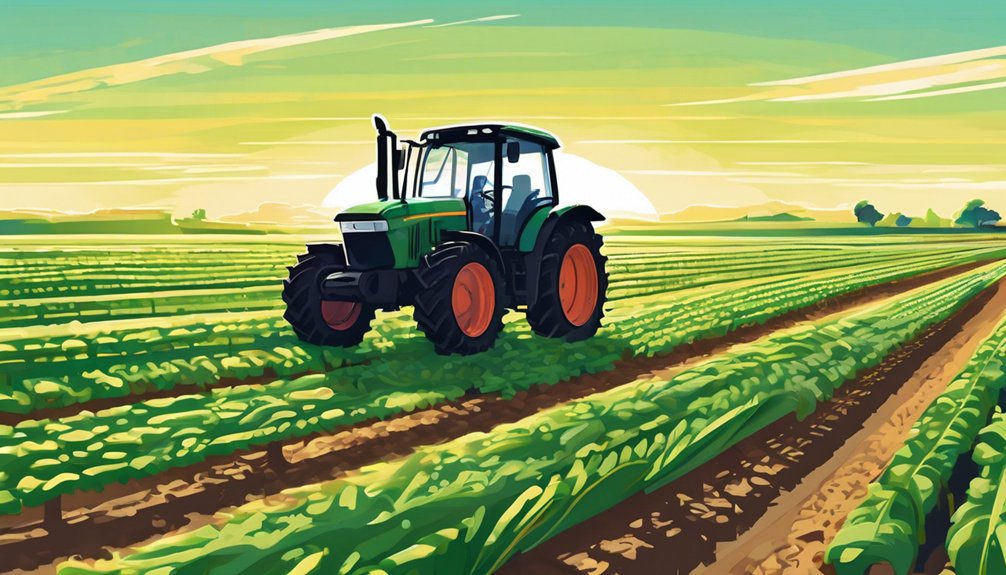
Auto-steering systems have revolutionized precision farming by allowing tractors to operate with remarkable accuracy and efficiency. By integrating GPS technology, these systems enable you to maintain straight, consistent paths across your fields, minimizing overlaps and gaps.
This precision not only enhances farming accuracy but also maximizes input efficiency, reducing waste of seeds, fertilizers, and pesticides. The auto steering benefits extend to labor management, as you can focus on other critical tasks while the tractor autonomously navigates.
Additionally, this technology improves crop yields by ensuring ideal planting and harvesting times. As you embrace auto-steering, you’ll find that achieving your farming goals becomes more attainable, fostering a sense of belonging in the community of modern agriculture.
Advancements in GPS Technology for Agriculture
Recent innovations in GPS technology are reshaping agriculture, building on the foundation laid by auto-steering systems.
You’re now able to leverage advanced tools that enhance your farming operations. Here are some key advancements:
- Satellite Imagery: High-resolution images provide real-time insights into crop health and soil conditions.
- Data Analytics: Integrating data from various sources allows for better decision-making, optimizing yield potential.
- Precision Mapping: Customized maps help you apply inputs more efficiently, reducing waste and costs.
- Robust Connectivity: Enhanced satellite networks guarantee consistent coverage, even in remote areas.
Future Trends in Tractor GPS Systems
As technology continues to evolve, the future of tractor GPS systems promises to revolutionize agricultural practices even more.
You’ll likely see a surge in autonomous tractors, equipped with advanced GPS capabilities that allow for real-time decision-making and enhanced efficiency. Satellite integration will play a pivotal role, providing precise location data and improving mapping accuracy. This will enable you to optimize field operations, reduce resource waste, and enhance crop yields.
In addition, the integration of artificial intelligence with GPS systems will facilitate predictive analytics, allowing you to anticipate challenges and make informed decisions.
As these technologies advance, you’ll find yourself part of a community that embraces innovation, ultimately driving sustainable practices in agriculture and ensuring a more productive future.
Conclusion
Incorporating tractor GPS systems is essential for modern farming, enhancing efficiency and precision. By leveraging advanced features like auto-steering and real-time data, you can optimize your agricultural operations and improve crop yields. The continuous advancements in GPS technology promise even greater capabilities in the future, ensuring that your farming practices remain competitive. As you adopt these tools, you’ll not only streamline your workflow but also contribute to sustainable agriculture, ultimately shaping the future of farming.